What are you looking for?

Have you tried our AI research data guide?

Ask Dot

Day One. 10:00-11:30 BST on 6th October 2026.
Welcome Session ‘Research data: improving lives, advancing knowledge and driving growth’

Keynote speaker

Nicholas Gruen

Nicholas Gruen is a policy economist, entrepreneur and media commentator, described by the Financial Times’ Martin Wolf as “the most brilliant economist you’ve never heard of”. He is founder and CEO of Lateral Economics and Patron of the Australian Digital Alliance. He chaired Australia’s Government 2.0 Taskforce and was the inaugural chair of start-up Kaggle, now part of Google. Gruen has served on Australia’s Productivity Commission and held senior roles in innovation, libraries, open knowledge and social innovation. Formerly Visiting Professor at King’s College London, he recently launched The Shared Centre, a video series about renewing democracy and public institutions.
Welcome Speech

Stian Westlake

Stian Westlake is Executive Chair of the Economic and Social Research Council (ESRC). He joined in June 2023.

Before this, he served as Chief Executive of the Royal Statistical Society, as Executive Director of Policy and Research at Nesta, as adviser to three UK science ministers and as a management consultant with McKinsey & Company.

Stian’s research interests include the economics and politics of innovation, research and technology. He is a regular commentator on science and innovation policy, and co-author of ‘Restarting the Future: How to Fix the Intangible Economy’ and ‘Capitalism Without Capital: The Rise of the Intangible Economy’. Read more

Day One. 16:30-18:00 BST on 6th October 2026.
RDA Session – Community & Sustainability

Christopher Erdmann

Christopher Erdmann is an advocate and practitioner in Open Science and FAIR, with two decades of experience building data stewardship programs across scientific, government, and cultural heritage institutions. He is currently Head of Open Science and External Affairs, US at Frontiers. Prior to joining Frontiers, he was Head of Open Science at SciLifeLab, and before that the Associate Director for Open Science at the Michael J. Fox Foundation. Earlier, he was the Assistant Director for Data Leadership at the American Geophysical Union, where he was responsible for data stewardship and drove programs on open science and FAIR.

His career spans research publishing (Frontiers), biomedical philanthropy (Michael J. Fox Foundation), life sciences infrastructure (SciLifeLab), scholarly societies (American Geophysical Union), and research computing and libraries (Renaissance Computing Institute at UNC, California Digital Library/The Carpentries, North Carolina State University, Harvard-Smithsonian Center for Astrophysics, European Southern Observatory), as well as the Supreme Court of the US, the United Nations, the University of Washington, the Smithsonian, and CNET. At Harvard, he led the Wolbach Library at the Harvard-Smithsonian Center for Astrophysics and helped launch research data management services across the university.


Hilary Hanahoe

Hilary serves as Secretary General of the Research Data Alliance and CEO of the RDA Foundation, leading a global community of over 16,500 members across 151 countries. She provides strategic leadership whilst managing operations, cultivating relationships with funders and stakeholders, and ensuring long-term sustainability. Her work centres on stewarding RDA’s dynamic volunteer community dedicated to enabling open data sharing and reuse globally, championing the organisation’s mission to break down barriers to global data accessibility.

Lyndon Zass

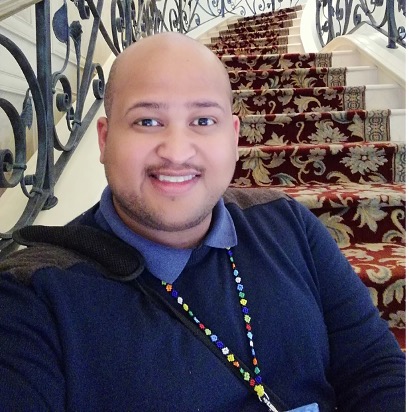
Lyndon is a Project Manager and data specialist in the Computational Biology Division at the University of Cape Town, South Africa, with a background in Molecular Biology and Human Genetics and an MSc in Human Genetics from Stellenbosch University. His work sits at the intersection of genomics, bioinformatics, public health, and data science, with a particular focus on improving the accessibility, standardisation, harmonisation, and reuse of African health and genomic data. Lyndon is the Project Manager of the African Genomics Data Hub (AfriGen-D), an initiative focused on making African genomic data more findable, accessible, and useful for research and precision medicine, and co-leads the eLwazi Open Data Science Platform’s Data Support Working Group, where he supports the application of data models, ontologies, and FAIR (Findable, Accessible, Interoperable, Reusable) principles to African health datasets. His research and professional interests include genomic medicine, phenotype harmonisation, clinical data standards, African genomic representation, and strengthening data infrastructure and capacity for biomedical research across the continent.

Najla Rettberg

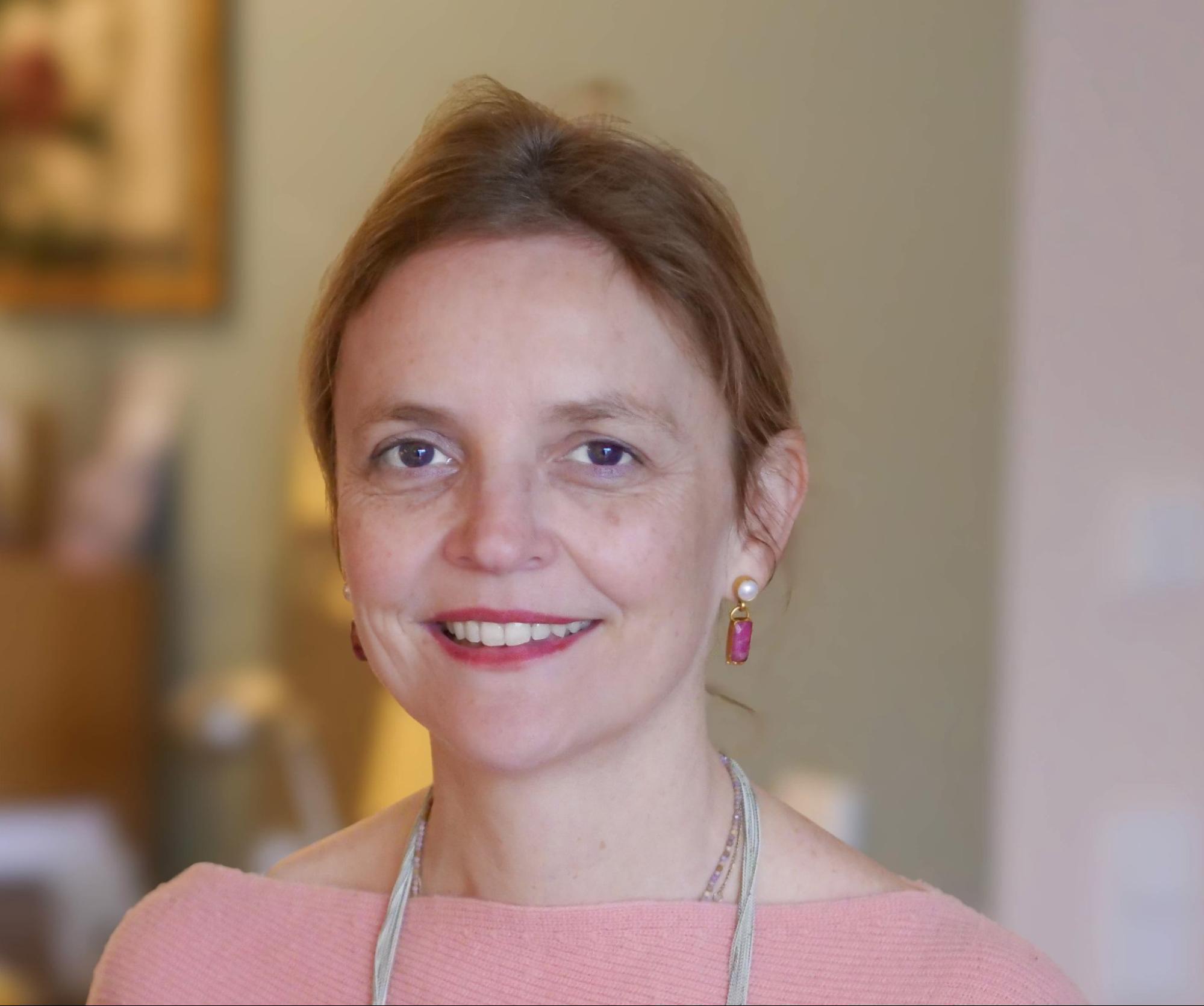
Najla Rettberg is the coordinator of Base4NFDI, an inititative that develops open science services to underpin and support their RDM activities. She has been involved in open science initiatives for the past 20 years on European initiatives, such as RDA Europe, a number of EOSC projects and OpenAIRE. Her interests are in Open Science policy implementation, data management for European research output and integration of activities into EOSC. 

Rachel Bruce

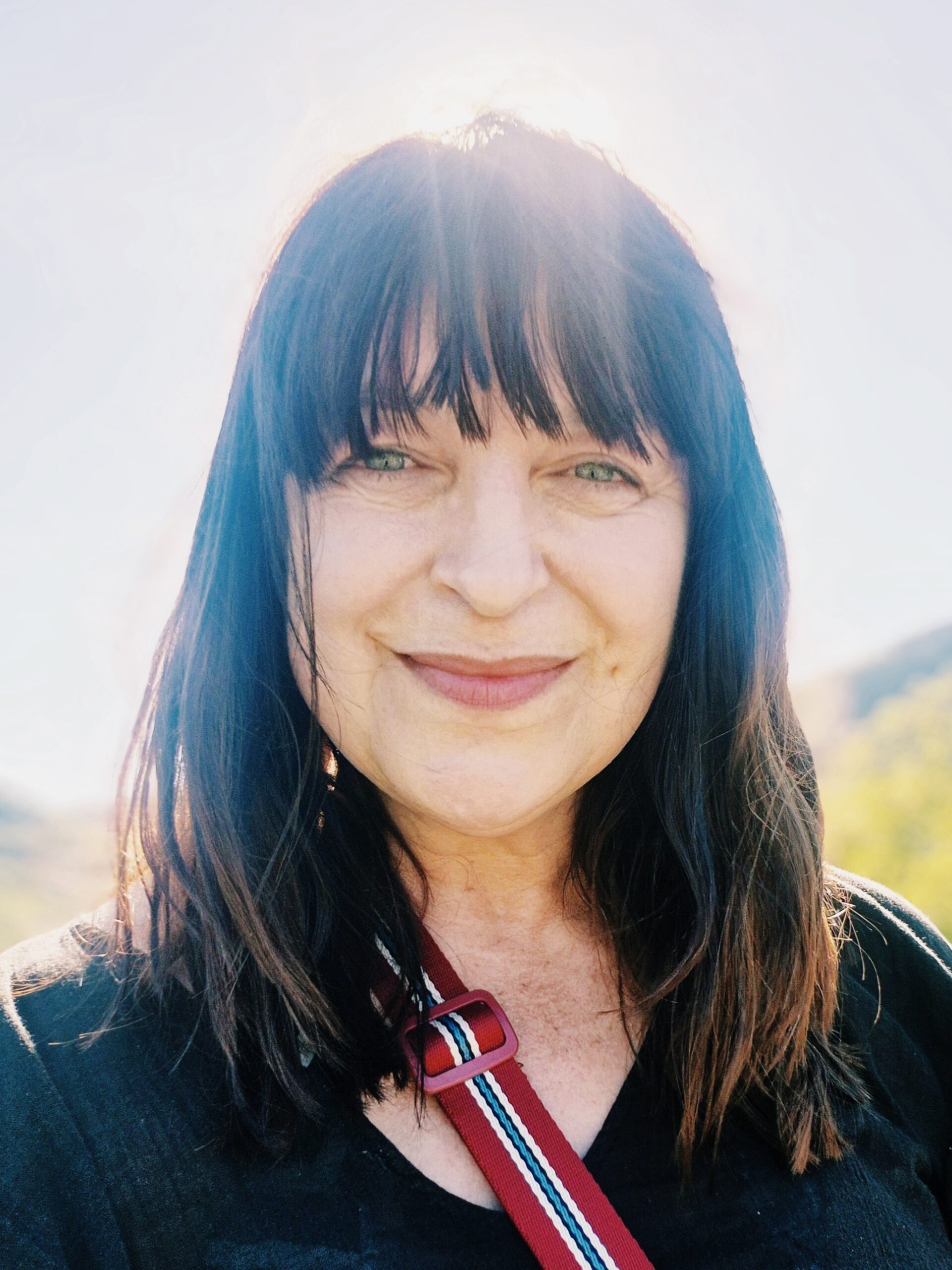
Rachel is Head of Open Research Strategy at UK Research and Innovation (UKRI) She works directly with the UKRI executive team to lead and shape policies and investments for open research across UKRI and the wider UK to promote better and more impactful research.  She has worked in education and research policy, with a focus on digital scholarship and infrastructure development, across national organisations including the former Higher Education Funding Council, Jisc and the Department of Business Energy and Industrial Strategy (BEIS). She has directed national and international programmes that support knowledge creation, access, curation and impact, many of which have resulted in long-term sustainable services. She is an information scientist and expert in open science and has been an adviser to the European Commission. She is currently the UK representative on the European Open Science Cloud Steering Board. Rachel has been engaged with the Research Data Alliance since its creation and is pleased to be part of the UKRI team hosting the next plenary

Rosie Hicks

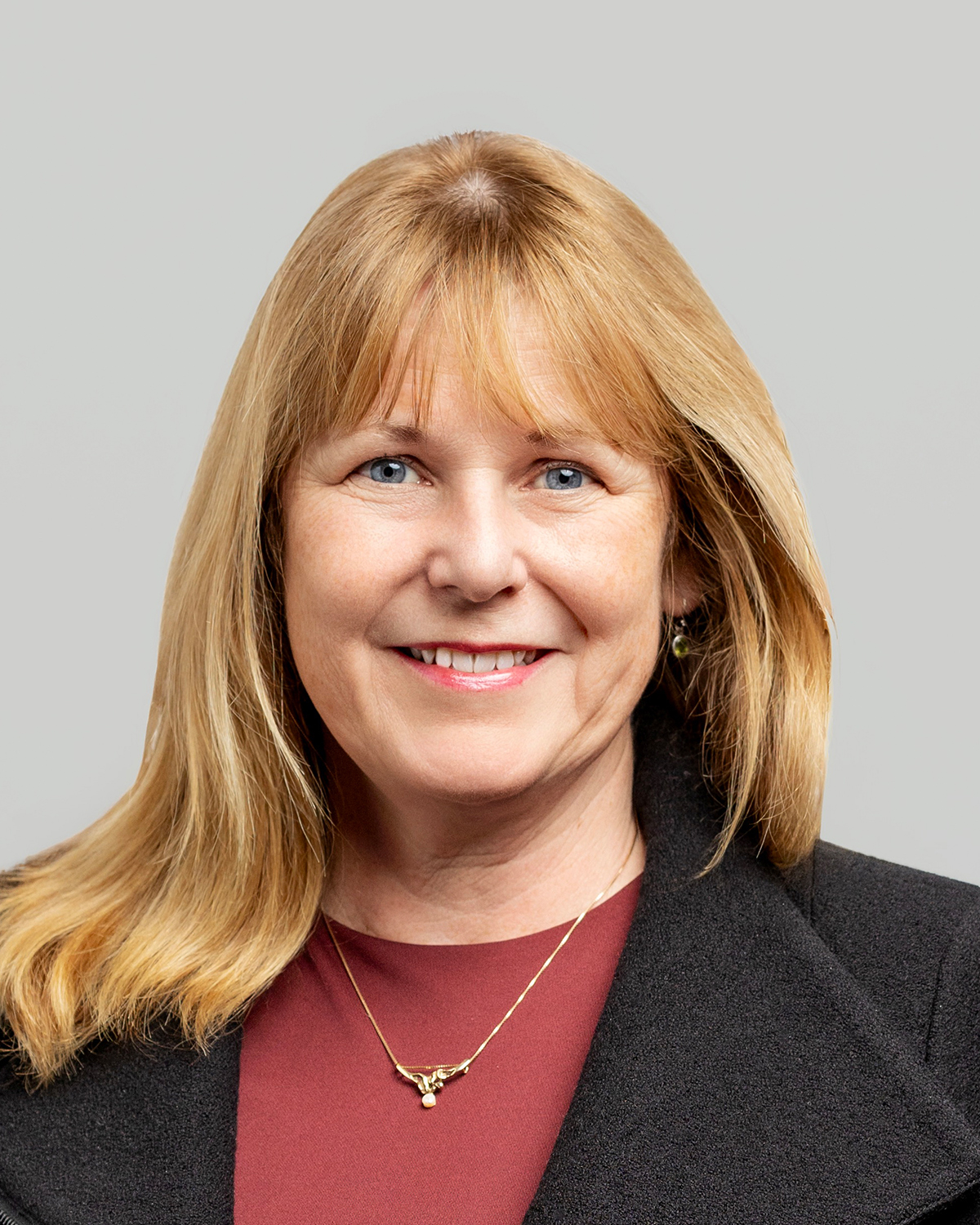
Rosie is the Chief Executive Officer of the Australian Research Data Commons (ARDC). The ARDC is a sector-wide initiative enabled by the Australian Government’s National Collaborative Research Infrastructure Strategy (NCRIS) to provide Australian researchers with competitive advantage through data. The ARDC’s mission is to accelerate research and innovation by driving excellence in the creation, analysis and retention of high-quality data assets. Rosie has expertise and extensive knowledge of the Australian research infrastructure sector, and leadership experience including as the inaugural CEO of the Australian National Fabrication Facility (ANFF). Her career, spanning Japan, UK and Australia, includes every aspect of scientific instrumentation from product development and technical marketing to the management of multi-user facilities, working in environments that cross academic and industry domains.

Day Two. 11:00-12:30 BST on 7th October 2026.
RDA Session ‘Inspiring leadership and securing commitment for research data infrastructure into the future’

Henrik Brogger

Henrik Brogger is Director of Digital Operations and Service Delivery at the University of Reading, where he leads a broad portfolio of digital services supporting research, education, and professional services. His responsibilities span digital operations, service delivery, research technology, end-user services, digital infrastructure, and service management transformation.

Henrik is an active contributor to the UK higher education and research sector. He founded and chairs the UCISA Digital Research Community, bringing together universities and research organisations to advance digital research capabilities, trusted research environments, research computing, and data-intensive research. He also co-founded the UCISA Sustainability Community, promoting more sustainable and responsible approaches to digital technology.

With extensive experience in digital transformation, service management, research infrastructure, and emerging technologies, Henrik is particularly interested in how institutions can secure long-term investment, leadership commitment, and sustainable operating models for digital and research infrastructure. He works closely with national bodies, sector communities, vendors, and research organisations to help shape the future of digital services and research enablement across higher education.

Mikiko Tanifuji

Mikiko Tanifuji leads the development of Japan’s Research Data Cloud (RDC), a national infrastructure that supports all scientific domains—from data management to publication and open-access monitoring. As a key figure at NII, Japan’s central hub for research data infrastructure, she collaborates with international initiatives such as the European Open Science Cloud (EOSC) and the FAIR Digital Object Forum (FDO). She also engages with global communities including COAR, and Global Open Research Commons (GORC) in Research Data Alliance (RDA), contributing best practices to advance a globally interoperable open science ecosystem.

With deep expertise in research data infrastructure and scholarly publishing, Mikiko has served as a member of the Open Science Working Group under Japan’s Cabinet Office and currently serves on the RDA Council, the COAR Executive Board, and other bodies.

She is also an active member of the Japan Society of Applied Physics, where she is tackling the challenges of handling and processing open data to develop real-time visualisation services that map relationships between research areas and researchers. This work aims to enable cross-domain knowledge integration by making connections across scientific disciplines more visible and actionable.

Leah Mwangi

Leah leads Evidence, Learning and Knowledge Management at the Science for Africa Foundation. She provides strategic leadership in strengthening how institutional and programme data, evidence and knowledge are generated, managed, shared and used to support learning, accountability, decision making and impact.

Leah has extensive experience designing and implementing monitoring, evaluation, research, learning and knowledge management systems across African research and development programmes. Her work includes strengthening institutional data systems, supporting multidisciplinary research consortia, leading evaluations, facilitating cross programme learning and translating evidence into actionable insights for strategy, policy and programme improvement.

She has contributed to mixed methods evaluations and the development of gender responsive approaches to supervision and mentorship in postgraduate science, technology, engineering and mathematics training in East Africa. Leah holds a master’s degree in Demography and is pursuing doctoral research. Her professional interests include research data infrastructure, institutional learning, evidence informed decision making and strengthening equitable and sustainable research ecosystems across Africa.

Pantelis Tziveloglou

Pantelis Tziveloglou is Team Leader for the European Open Science Cloud (EOSC) in the Open Science and Research Infrastructures Unit of the European Commission’s Directorate-General for Research and Innovation. Previously, he worked on the EU’s international research strategy, including as desk officer for scientific cooperation with Russia, Central Asian countries and China. Before joining the European Commission, he was a researcher in high-energy physics at Vrije Universiteit Brussel, École Polytechnique, and CERN. He holds a PhD in Physics from Cornell University, USA.

Professor Charlotte Deane

EPSRC Executive Chair at the Engineering and Physical Sciences Research Council (EPSRC).

Her work focuses on the development of novel algorithms, tools and databases that are openly available to the community. These tools are widely used web resources and are also part of several pharmaceutical drug discovery pipelines.

She is on several advisory boards and has consulted extensively with industry. She has set up a consulting arm within her own research group as a way of promoting industrial interaction and the use of the group’s software tools.

Veronique Stoll

Veronique serves as National Chief Research Data Officer at the French Ministry of Higher Education and Research, where she leads national policy on research data. She also leads Recherche Data Gouv, France’s national research data infrastructure, providing a sovereign platform for the deposit, publication, discovery, and reuse of research data. She works to develop Recherche Data Gouv as a national gateway to French research data, in close collaboration with more than 80 institutions and disciplinary communities. Previously, as Director of the Library at the Paris Observatory, she led initiatives to advance open science policies and research data management. She also co-chaired the Research Data Working Group of the French Open Science Committee.

Day Three. 09:00-10:30 BST on 8th October 2026.
RDA Session – Data Resilience

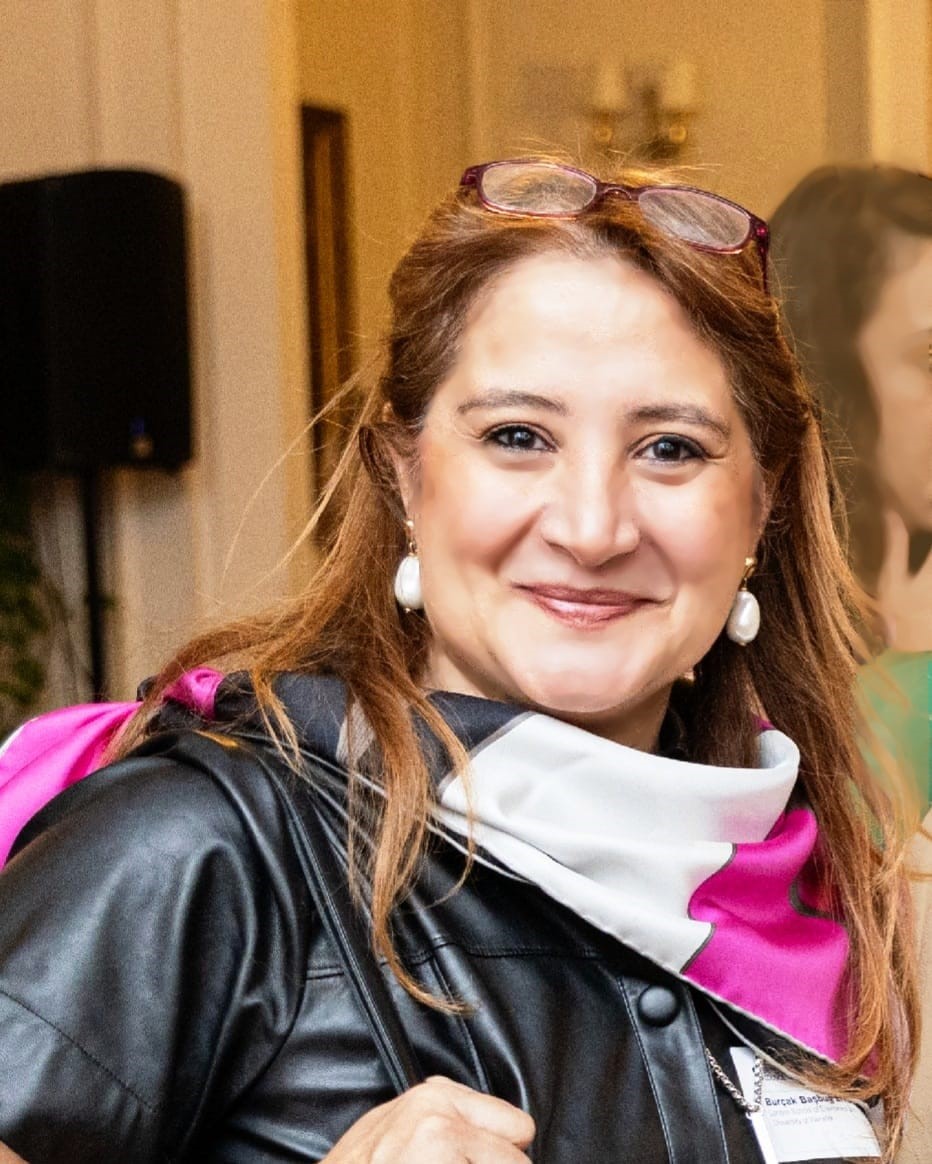
Burçak Başbuğ

Burçak completed her MSc and PhD studies, at the University of Warwick-UK and at the LSE. She is a Full-Professor of Statistics and Disaster Science at METU. She is the Co-Chair of the International Science Council’s Committee on Data (CODATA) International Data Policy Committee (IDPC).

She was the Course Director of MSc Disaster Management and Resilience at Coventry University in the United Kingdom between August 2019 and August 2020. 

She was the Director of the METU Disaster Management Centre between 2008 and 2018. 

She is a member of the Chatham House and an editorial board member of the journal ‘Disasters’. 

She is a member of the Earthquake Engineering Research Institute (EERI), Oakland-CA, USA.  

Since 2019, she serves as an Academic Partnership Director of the ICPEM (Institute of Civil Protection and Emergency Management) based in London. 

She has 27 years of experience in disaster risk reduction, policy development, catastrophe data working with stakeholders such as AFAD (Disaster and Emergency Management Authority-Türkiye), the World Bank, UNDRR, UNICEF, UNESCO, JICA. She has been publishing peer-review journal papers, book chapters, acting as the PI of national and international projects, supervising undergraduate and graduate students in fields of disaster risk management, statistics and related subjects. 

Gabriela Pino Chacon

Academic Advisor at the Vice-Rectorate for Research and Professor at the School of International Relations of the Universidad Nacional (UNA), Costa Rica. She holds an initial degree in Sociology and in Latin American Studies, and a Ph.D. in Education. Throughout her professional career, she has specialized in the academic management of university research, university relations with Indigenous peoples, as well as open science and innovation management within the university context. As a Professor at the School of International Relations (ERI), she has experience in university social responsibility projects and in the analysis of Central American regional integration. Additionally, she serves as a member of the Final Graduation Works Committee. 

Currently, she is a member of the Institutional Commission for the Promotion of Open Science, a member of the Research Data Alliance (RDA), and serves as co-chair of the RDA Organizational Board. She has published and presented papers nationally and internationally on topics related to higher education management, open science, and university relations with Indigenous peoples.

Kathrin Winkler

Kathrin Winkler is Programme Director in the group of Information Infrastructures at the German Research Foundation (DFG), where she focuses on data resilience, research data infrastructures, and the sustainable development of digital infrastructures for research. Her work addresses the conditions needed to ensure that research data and the infrastructures supporting them remain accessible, reliable, and usable in a changing technological and geopolitical environment.

Previously, she was a Seconded National Expert in the Open Science and Research Infrastructures Unit at the European Commission’s Directorate-General for Research and Innovation. She has also represented DFG in European organisations and initiatives including the EOSC Association, Knowledge Exchange, and Science Europe’s activities on Open Science.

From 2015 to 2020, Kathrin headed the DFG Office Latin America in São Paulo, managing DFG’s relations with research funding organisations and scientific institutions across the region.

A chemist by training, she received her doctorate in physical chemistry from the Max Planck Institute for Biophysical Chemistry in Göttingen. After several years in biophysical research at Freie Universität Berlin, she joined DFG in 2008 and has since worked across research funding, international cooperation, Open Science, and research infrastructures.

Lesley Wyborn

Lesley Wyborn is an Visting Fellow at the Australian National University (ANU) at both the National Computational Infrastructure (NCI) and the Research School of Earth Sciences. She also works part time as a Data Strategist for the Australian Research Data Commons and AuScope. She had 42 years’ experience in Geoscience Australia (GA) from 1972 to 2014 in positions both in applied research in the Earth and environmental sciences, and in data science/research data management. Since leaving GA she has continued research in aspects of Data Science at all scales from Long Tail to HPC including versioning, quality, reproducibility, provenance and in operationalising the FAIR and CARE principles.  More recently her focus has been on Open Science, AI-Readiness of Data, and in developing global networks of resilient data repositories.

Mark Parsons

Mark A. Parsons is a private consultant and affiliated scientist with the National Snow and Ice Data Center working to coordinate and advocate for sustained data infrastructure. He currently is helping the American Geophysical Union build the community necessary to ensure global data resilience. He also represents CODATA in developing plans for the International Polar Year 2032-3.
Mark is a geographer with more than 35 years experience in researching, developing, and implementing data stewardship policies, practices, and systems. He has repeatedly and effectively built dynamic, functional collaborations across all sorts of differences in language and professional cultures. Mark was the first Secretary General of the Research Data Alliance. He has helped coordinate stewardship of a broad range of data from satellite remote sensing to Indigenous knowledge of Arctic change, supporting NASA, NOAA, NSF, the Sloan Foundation, and the European Commission. He led the data management effort for the International Polar Year 2007-8 and helped establish the Exchange for Local Observations and Knowledge of the Arctic (ELOKA). His published work has guided national and international data policies and practice and has contributed to educational programs.
Mark lives in Colorado and likes to ride bicycles, bake bread, and play outside.

Session’s facilitator

Kevin Ashley

Kevin Ashley is Director of the Digital Curation Center (http://www.dcc.ac.uk/).  The DCC promotes and supports open science through services for data management planning; advice and guidance; training;  consultancy on all aspects of open science, data management and reuse; engagement in international projects such as EOSCPilot, Skills4EOSC and RDA Europe 4; and organises events such as the International Digital Curation Conference. He is a member of RDA’s Organisational Advisory Board and chaired the programme committee for Plenary 17. Amongst other roles, he is chair of the Software Sustainability advisory board and a member of AGU’s Data Management Advisory Board.

Session’s facilitator

Shelley Stall

Shelley Stall is the Vice President for the American Geophysical Union’s (AGU) Open Science Leadership Program. She and her team work with AGU’s members, their organizations, and the broader research community to improve data and digital object practices, with the goal of elevating how research data and software are managed, valued, and made as open as possible. Their work focuses on removing barriers to making science more reproducible and transparent through international collaborations and community-led projects. Results from these efforts help to make data and software more accessible and interoperable in support of complex, innovative, and multi-national research challenges. Shelley is a globally recognized advocate for preserving and sharing data and software in support of transparent, open scholarship, and believes that “open” is not a binary but a journey for every researcher, supported by the broader research ecosystem. She served on the Board on Research Data and Information of the National Academies of Sciences, Engineering, and Medicine (NASEM) and is an ex-officio member of NASEM’s Roundtable on Aligning Incentives for Open Scholarship. Under her leadership, AGU is recognized as an international leader in data and software sharing, preservation, and citation for the Earth, space, and environmental sciences.

Day Three. 15:30-17:15 BST on 8th October 2026.
Closing Session ‘Making the Global Open Research Commons a reality’

Session’s facilitator

CJ Woodford

Dr CJ Woodford is a research officer with the Digital Research Alliance of Canada, where he identifies and ensures representation of researcher’s needs in national advanced research computing, research software, and research data management projects, programs, and policy. CJ is a co-chair of the Global Open Research Commons Interest Group and International Implementations Working Group. Previously, CJ was a dedicated World Data System International Technology Office research associate for the GORC initiative. His background is in science communication, education, project management, and astrophysics research with a focus on high performance computing. CJ also works part-time as the Education Coordinator for Discover the Universe, a Canadian astronomy education non-profit, and is a part-time Master’s of Library and Information Studies student at the University of Alberta.

Hilary Hanahoe

Hilary serves as Secretary General of the Research Data Alliance and CEO of the RDA Foundation, leading a global community of over 16,500 members across 151 countries. She provides strategic leadership whilst managing operations, cultivating relationships with funders and stakeholders, and ensuring long-term sustainability. Her work centres on stewarding RDA’s dynamic volunteer community dedicated to enabling open data sharing and reuse globally, championing the organisation’s mission to break down barriers to global data accessibility.

Lautaro Matas

Lautaro is Technical Manager at LA Referencia, the federated open science network of Latin America and Spain. He previously served as Executive and Technical Director (2020–2025), leading the organisation’s strategic and technological development, and has played a central role in the design and evolution of the LA Referencia platform.

He studied Computer Science at the University of Buenos Aires and has more than two decades of experience in scholarly communication, open science infrastructure, and digital repositories. Before joining LA Referencia, he worked at Centro REDES, RICYT, and CAICYT-CONICET, where he coordinated the implementation of SciELO Argentina and led the development of tools for patent analysis and research evaluation.

His current work focuses on federated open science infrastructures, metadata aggregation, persistent identifiers, multilingual semantic discovery, and the application of artificial intelligence to improve the visibility, interoperability, and global accessibility of scholarly knowledge.

Natalie Harrower

Dr. Natalie Harrower is the Executive Director of the Canadian Research Data Centre Network (CRDCN), a major science initiative and national research infrastructure for the social sciences and population health studies that facilitates access to Statistics Canada microdata for researchers at 45 universities across the country. She is actively involved in national and international initiatives related to open science, sustainability of research infrastructures and the development of data spaces through initiatives with the Office of the Chief Science Advisor of Canada, the Council of Canadian Academies, the Digital Research Alliance of Canada, the Canada Foundation for Innovation and the Global Research Initiative on Open Science (GRIOS). Natalie has been an active contributor to RDA since its inception, collaborating with many members in her previous role as Director of the Digital Repository of Ireland.

Rosie Bolton 

Rosie is the Head of Data Operations, SRCNet Project Lead. Her background is in Radio Astronomy but she has been interested in technology and big infrastructures since using some world-class facilities in my PhD, then a postdoctoral research including on the ALMA telescope and, for many years now, SKA (https://www.skao.int/).

Her work at SKAO centres around the development of technologies to provide global users access to SKA’s future data products. Within the Observatory she leads a team of Software engineers contributing to SKA Regional Centre Network development activities, and in a wider context, she leads the SRCNet Development Project, with over 100 people contributing. They build and deploy open-source software that will form a global data archive and federated compute access for SKA users.  

In the RDA context, she’s interested in how other organisations are navigating the boundary between protecting proprietary data and the immediate science needs of approved users with the wider desires to make data as accessible as possible to achieve the most scientific return.

Tony Burdett

Tony is the Director of BioFAIR, an experienced leader in bioinformatics data services specialising in FAIR data management and delivery of research-enabling services for the life sciences. He currently leads BioFAIR, a national collaborative digital research infrastructure supporting the sharing and management of life science data in the UK.

In his previous role as Technical Team Leader at EMBL-EBI, he led teams responsible for the European Nucleotide Archive and BioSamples database, ensuring accessibility and sharing of sequencing and multi-omics data for the global life sciences community, including as part of the Human Cell Atlas. As a previous lead of the ELIXIR Interoperability Platform, he has been instrumental in developing sustainable, interoperable data infrastructures and defining innovative approaches to the practical adoption of FAIR principles.